
Introduction
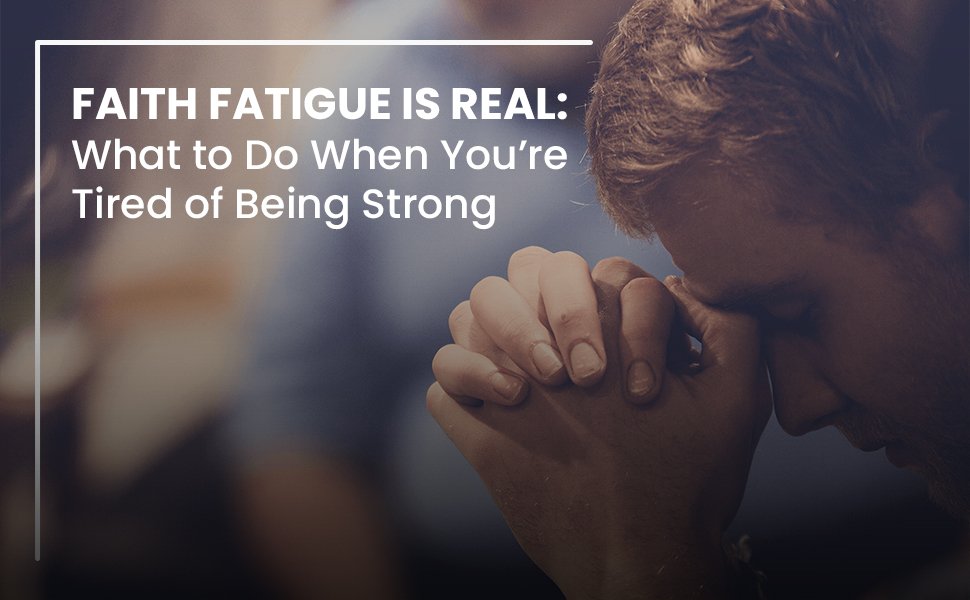
There comes a moment in many believers’ lives when strength feels heavy. You’ve prayed. You’ve trusted. You’ve stayed faithful through storms. And yet, instead of feeling victorious, you feel exhausted. This quiet weariness has a name:
Faith fatigue doesn’t mean you’ve lost faith. It means you’ve been carrying more than you were meant to carry alone. Many Christians feel guilty admitting they’re tired of being strong, but spiritual exhaustion is not failure—it’s a signal.
In his teachings, James D. White Sr often emphasizes that even the strongest believers reach seasons where endurance drains the soul. This blog is for anyone who feels spiritually burned out, emotionally empty, or quietly discouraged. If you’re tired of being strong, this guide will help you understand why faith fatigue happens—and how to recover without losing your faith.
1. What Faith Fatigue Really Is
Faith fatigue is not doubt. It is prolonged spiritual strain. It happens when you’ve been trusting God for a long time with little visible change. You keep showing up, but relief doesn’t arrive.
Signs of faith fatigue include: What to pray when you’re in the darkest night of the soul
- praying out of obligation instead of hope
- feeling numb during worship
- spiritual routines feeling heavy
- guilt for not feeling “strong enough”
This exhaustion builds slowly. Most believers don’t notice it until they feel empty.
James D. White Sr teaches that fatigue often comes from self-reliance disguised as faith. When believers carry outcomes instead of trusting God with them, strength turns into strain.
Faith was never meant to be sustained by human effort alone. When it is, burnout follows.
2. Why Being “Strong” All the Time Is Unsustainable
Christian culture often praises strength without acknowledging limits. We applaud endurance but forget rest. We encourage perseverance but ignore recovery.
Scripture shows a different picture. Elijah collapsed after victory. David cried in caves. Even Jesus withdrew to rest.
Being strong nonstop leads to spiritual exhaustion. Strength without renewal becomes pressure.
James D. White Sr reminds believers that God never asked us to strong alone—He asked us to depend on Him. Strength that comes from pressure breaks. Strength that comes from surrender lasts.
Faith fatigue often signals it’s time to stop striving and start resting. how to find faith in the midst of life’s storms
3. How to Recover From Faith Fatigue
Recovery begins with honesty. Admit you’re tired—without shame. practical anchors that keep you strong.
Step 1: Release the pressure
Stop forcing spiritual performance. God is not measuring your faith by intensity.
Step 2: Simplify your faith practices
Short prayers. One scripture. Quiet reflection. Less effort, more presence.
Step 3: Rest without guilt
Rest is spiritual obedience, not weakness.
Step 4: Share the weight
Isolation intensifies fatigue. Community divides it.
James D. White Sr teaches that rest restores clarity. When you stop forcing faith, faith begins to breathe again.
4. What to Do When You’re Tired of Being Strong
When strength feels heavy:
- stop pretending
- stop comparing
- stop suppressing emotion
Instead:
- breathe
- pray honestly
- rest intentionally
Faith fatigue lifts when believers allow themselves to be human again.
Conclusion
Faith fatigue is real—and it is not failure. It is a call to rest, reset, and return to dependence on God.
As James D. White Sr teaches, faith that rests is often stronger than faith that strives. If you’re tired of being strong, you’re not broken—you’re ready for renewal.